Roofing Website Design: What a Roofing Website Needs to Generate More Estimates
The short answer
A roofing website books more estimates by turning homeowner caution into confidence. It needs a page for every service, labeled before and after project galleries, a year-round storm damage page, carefully worded insurance information, warranties and manufacturer certifications under the hero, reviews on service pages, service area pages and a short estimate form with an active leak checkbox.
Roofing customers want proof before they let anyone on their roof. Here’s what a roofing website needs to turn that caution into booked estimates, from storm pages to warranties.
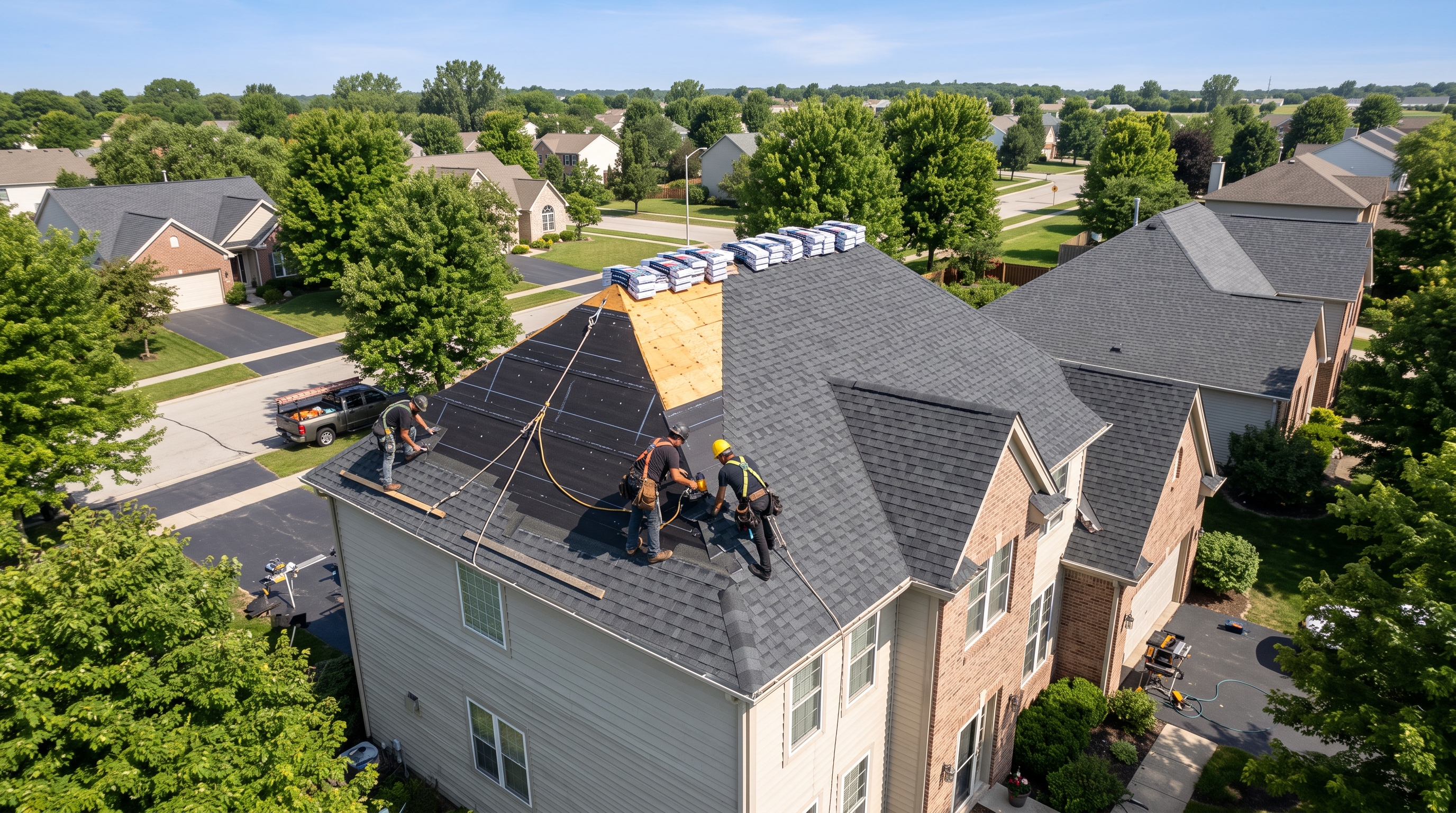
A new roof is one of the most expensive things a homeowner will buy, and they usually buy one only once or twice in their lives. They don’t know what a fair price is, they’ve heard stories about storm chasers, and they can’t easily check the work once it’s done. So before they request an estimate, they look hard at your roofing website.
Good roofing website design turns that caution into confidence. Here’s what a roofing company website needs to book more estimates.
Two kinds of roofing customer
Most visitors arrive in one of two states:
- Urgent. A leak, missing shingles after a storm, a tree on the roof. They want someone out fast and need to know you handle emergencies and insurance work.
- Planned. An aging roof, a home sale, a switch to metal. They’re comparing contractors, materials, warranties and price.
A roofing lead generation website serves both: fast contact for urgent visitors, and proof and detail for planners. If you also do commercial roofing, give it its own section, because property managers and owners want different information.
Build a page for every service
Each core service should have its own page that can rank and answer specific questions:
- Roof replacement
- Roof repair and leak repair
- Roof inspections
- Storm, hail and wind damage repair
- Insurance claim support
- Metal roofing
- Flat and commercial roofing
- Gutters, skylights and ventilation
On each page, cover what the job involves, the materials you install, how long it takes, a typical price range where you can share one, and the warranty that comes with it.
Use project galleries that actually sell
Roofing is visual, and before and after photos are your best sales tool. Make them count:
- Pair before and after shots of the same roof from the same angle
- Use drone photos to show the whole roof
- Label each project with location, material, roof size and how long the job took
- Add a sentence on the problem and how you solved it
- Let visitors filter by material or project type
A gallery of 20 well-labeled projects does more than 200 unlabeled photos.
Handle storm damage the right way
After hail or high winds, roofing searches spike, and so does homeowner suspicion of out-of-town crews. Your storm damage page should make it clear you’re local and established:
- Your local address, years in business and the areas you serve
- A free storm damage inspection offer with a clear booking button
- A short checklist of signs of hail and wind damage
- What to do right after a storm, including how to document damage
- An emergency tarping or leak service, if you offer it
Keep the page live all year, and add a banner to the homepage after major storms in your area.
Be careful with insurance-related services
Many roofing jobs are paid through homeowner insurance claims, so explaining how you help is valuable. Explain the process plainly: inspection, documentation, meeting the adjuster, and doing the approved work.
Be careful with the wording. Many states restrict what roofing contractors can say or do around insurance claims, such as offering to cover deductibles or negotiating with insurers for the homeowner. Check your state’s rules before you publish this page.
Lead with warranties and certifications
Warranties are one of the main ways roofing customers compare contractors. Show:
- Your workmanship warranty and how long it lasts
- Manufacturer warranties, including any enhanced warranties only certified contractors can offer
- Manufacturer certifications, such as GAF, Owens Corning or CertainTeed contractor programs
- State contractor license, liability insurance and workers’ comp
- BBB rating and safety training such as OSHA
Put the strongest ones directly under the hero and next to every estimate form.
Make reviews hard to miss
Show your Google rating near the top of the homepage, and pull detailed reviews onto service pages. Reviews that mention cleanup, communication and finishing on schedule matter most, because those are the things homeowners worry about. Short video testimonials filmed on finished jobs are especially persuasive.
Show your service areas
Roofing is searched locally, and storm work clusters in specific areas. Create pages for the main cities and counties you serve, mentioning common roof types and weather issues there and projects you’ve completed. A simple service-area map helps visitors confirm you cover them.
Make estimate requests easy
The estimate form is where a roofing website earns its money. Keep it short:
- Name, phone and email
- Address or ZIP code
- Project type: repair, replacement, inspection or storm damage
- An “active leak” checkbox so urgent jobs get called first
- Optional photo upload
Say how fast you respond and what happens next. Some roofers add instant estimate tools that use satellite measurements to give a price range online. They can lift form submissions, but make sure the ranges are realistic for your market.
Offer financing
If you offer financing, mention monthly payment options on the replacement page and near the estimate form. For many homeowners, a monthly figure is what makes a replacement possible this year instead of next.
Roofing website SEO
- Use “Roofing contractor” as your primary Google Business Profile category
- Add RoofingContractor schema markup to the site
- Name the service and city in title tags on every service and area page
- Publish useful content, such as roof replacement costs in your area, metal versus shingle comparisons and what hail damage looks like
- Add new projects regularly, each with its own location
Our guide to SEO for contractors covers the full process.
Roofing website ideas and examples
Our Ridgemark demo is built for a roofing contractor. It has an emergency bar above the hero, a free roof inspection as the main offer, a row of manufacturer certifications, project cards with location, square footage and duration, a service-area map, and a quote form with an urgent leak checkbox. For more roofing website examples, see our construction website examples.
When a roofing website redesign pays off
If your site has a thin gallery, no storm or insurance pages, a hidden phone number, or a long estimate form, a roofing website redesign can lift your estimate requests within one storm season. For the general principles behind it, read construction website design: what a high-converting contractor website needs.
Roofing website FAQs
What should a roofing website show first?
Your main service, the area you cover, a strong trust signal such as your rating or a manufacturer certification, and a clear offer like a free inspection.
How many project photos should a roofing website have?
Enough to show range across materials and project types, usually 15 to 30 well-labeled projects to start. Add new ones as you finish jobs.
Should roofers mention insurance claims on their website?
Yes, if insurance work is part of your business, but describe your role carefully and check your state’s rules on what contractors can offer or say.
How do roofing websites generate more leads after storms?
Keep a storm damage page live all year, add a homepage banner after major storms, and make free inspection requests quick to book from a phone.
Get a roofing website built
We build roofing websites with galleries, storm and insurance pages, warranty sections and estimate forms set up from day one, at a fixed price from $2,000 and live in seven days. See our website design for roofers page or book a free 15-minute call. For more ways to bring in work, read how to get more construction leads.
Want a website that brings in work like this?
Fixed price, live in seven days, built only for construction firms. Book a 15-minute call and we will tell you straight what we would do.